


This article discusses the science behind why alcohol makes you sleepy, how to minimize drowsiness while drinking, and the broader effects alcohol has on your sleep and overall health. Seek medical advice if you think you have a sleep disorder or alcohol abuse problem. A healthcare provider can recommend the best treatment options for you. Alcoholic drinks with a lot of sugar or caffeine may disrupt your sleep further, but beer, gin, vodka, and wine can all impact your sleep. This phenomenon comes as your body finishes metabolizing the alcohol you consumed. The point at which that happens depends on how much you drank before bed.
Addiction Treatment Programs
Different forms of therapy, mindfulness, meditation, or hypnotherapy, can address insomnia symptoms. Individuals who have attention deficit hyperactivity disorder (ADHD) are also particularly affected by insomnia. A 2020 study found that people with ADHD are more likely to consume alcohol to treat their insomnia symptoms. Such effects lead people to feel that they did not get enough sleep. Daytime sleepiness, reduced concentration, irritability, and other symptoms can then result.
- She supports individuals who long for a better relationship with alcohol, helping them learn to drink less without living less.
- In addition, since poor sleep can negatively affect one’s health, the benefits of a restful night go beyond feeling alert in the morning.
How Does Alcohol Affect Sleep?
However, the reality is that alcohol has more of an adverse effect on sleep than a positive one. If you’re drinking before bed to help with sleep, you should choose a different relaxation method that will help you achieve better-quality sleep. Typically, your first REM cycle happens about 90 minutes after you fall asleep, but after drinking alcohol, the onset of REM sleep is delayed. According to the 2013 review, the more you drink before going to sleep, the less REM sleep you’ll get. REM, or rapid eye movement, is the stage of sleep that stimulates parts of the brain to help with memory consolidation and learning. Not getting enough REM sleep can contribute to further health issues, like depression and anxiety, and can increase your risk of developing dementia.
Ways Alcohol Disrupts Your Night

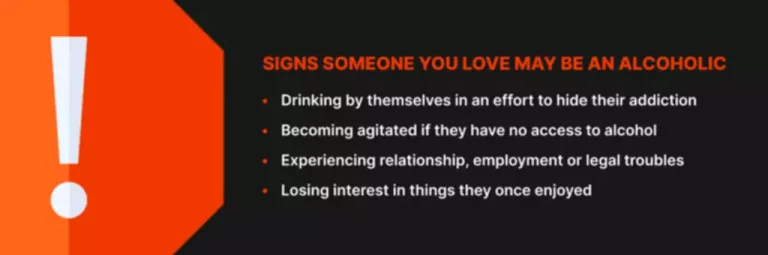
Sleep and circadian rhythm disruption from alcohol also contribute to next-day tiredness, fatigue, irritability, and difficulty concentrating. Even if it doesn’t present as a full-fledged hangover, alcohol-related sleep loss negatively affects mood and performance. Keep in mind that for people with AUD, sleeping issues may persist through the withdrawal phase.
People with alcohol dependence or going through alcohol withdrawal may experience reduced deep sleep and insomnia. And, unfortunately, insomnia is the most frequent complaint among alcoholics when they give up drinking. Alcohol can also sometimes act as a stimulant, making you feel more awake instead of sleepy. This can happen with low doses, when your blood alcohol levels are rising, and when you drink alcohol at different times of the day. This can also happen if you drink alcohol with caffeine (think espresso martinis or vodka Red Bulls) or with a lot of sugar (i.e. sugary cocktails or energy drinks). When your body is metabolizing alcohol while you’re asleep, you’ll experience more NREM sleep and less REM sleep than you otherwise would.
Understanding the effects of alcohol on sleep is the first step toward preventing alcohol-related sleep problems. But the more someone drinks, the more significant the impact, said Meadows, pointing to a 2018 study in the journal JMIR Mental Health. Small amounts of alcohol may cause short-term sleep disturbances, but frequent and large quantities of alcohol consumption may lead to chronic insomnia for certain does alcohol help you sleep individuals. Insomnia is a common problem for many adults, but it is not uncommon to experience it in the short-term and long-term after quitting drinking. It is characterized by difficulty falling or staying asleep, which can lead to daytime drowsiness, trouble concentrating, and other negative health effects. Heavy drinking can make the sleep- and circadian rhythm-disrupting effects of alcohol worse.

Due to the lack of uninterrupted sleep you can experience overnight, you are more prone to feeling excessively tired throughout the next day. Specifically, research shows that drinking alcohol increases your risk of OSA by 25%. The same increase in risk factor applies to people who typically binge drink, rather than those who only consume alcohol in moderation.
One study found that 90% of people with major depressive disorder also develop a sleep disorder. Whether or not you drink alcohol is a personal choice and if it’s one you make, you can adjust a few habits to decrease its effects on sleep. If you’re someone who snores, you may find that you snore even more after a night of drinking. One major challenge in this field is the lack of large, long-term, https://ecosoberhouse.com/ high-quality studies. Moderate alcohol consumption has been studied in dozens of randomized controlled trials, but those trials have never tracked more than about 200 people for more than two years. Alcohol manufacturers have previously expressed some willingness to finance the studies—similar to the way pharmaceutical companies finance most drug testing—but that has often led to criticism.
- Moreover, as the alcohol metabolizes and leaves your system, you’re more likely to wake, resulting in less restorative sleep throughout the night.
- “And sedatives, especially alcohol, even in someone without sleep apnea, reduce those reflexes that are there to keep the airway open.”
- CBTi, as offered by Sleepstation, could help if you’re experiencing alcohol-induced insomnia.
- The best way to ensure alcohol doesn’t mess with your sleep is to avoid it altogether.
- Some research shows alcohol can make you feel sleepy soon after consumption and this may be due to eating a meal at the same time.
If you’ve had alcohol, you should refrain from using medications that can induce sleepiness or aid with sleep, such as Ambien, Benadryl, Tylenol PM and even melatonin. Taking these with alcohol can be dangerous as alcohol depresses the central nervous system on its own. At Gateway’s addiction treatment centers, you can receive evidence-based care tailored to your specific needs. Every recovery journey is unique, but it’s universally true you shouldn’t have to go it alone. Whether through residential or outpatient treatment, you can receive treatment for your AUD that fits into your lifestyle and addresses all aspects of your addiction to bring holistic healing. Gateway understands how essential ongoing support is, and we provide that to our patients long after they’ve left our facilities.